
Loading...
Serving San Bruno, CA and surrounding areas. (415) 723-8447
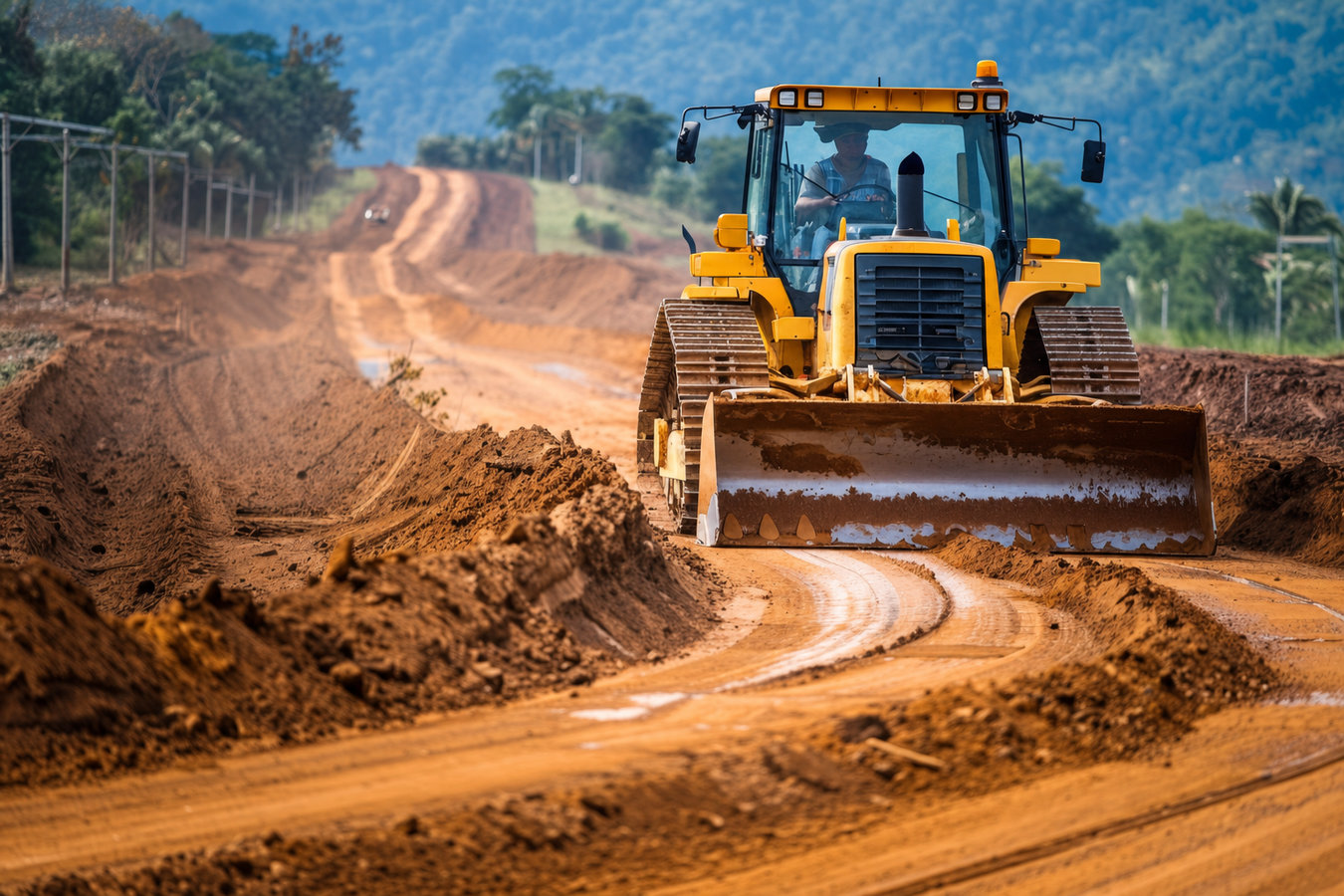
Asphalt laid over poorly prepared ground cracks and sinks within a few years. We excavate to stable soil, shape for drainage, and compact a solid base before any paving goes down.
Grading and excavation in San Bruno means removing existing soil, old asphalt, or debris down to a stable layer, shaping the ground to the correct slope for drainage, bringing in aggregate base if needed, and compacting everything before paving begins. A typical residential driveway takes one to two days for the grading phase alone, with paving following a few days later once the base has been checked.
This work is the foundation that determines how long everything above it lasts. A driveway that keeps cracking a year or two after repaving almost always has a base problem, not a surface problem. On the Peninsula, where clay soils swell in winter rain and shrink in the dry season, thorough excavation and compaction are what keep that movement from transferring into the asphalt above. If drainage issues have already caused concrete to fail alongside your asphalt, our concrete curbing and sidewalks service can address those elements as part of the same project.
Good grading is visible in the long run: after a winter rain, water sheets away from the structure and off the surface rather than pooling near the foundation. That is the outcome a proper grade delivers, and it is the clearest sign that the foundation work was done correctly.
Standing water on your driveway or against your foundation after San Bruno's winter rains means the ground is not draining correctly. Water that pools near a garage slab or front door will eventually work its way inside. Re-grading to direct flow toward the street solves this before it causes interior damage.
Uneven pavement is usually a sign that the ground beneath has shifted - a common result of Bay Area clay soil movement over several seasons. Repaving over an uneven base just copies the same problem onto the new surface. Re-grading before the new asphalt fixes the root cause.
Any new driveway, parking pad, or paved area starts with grading and excavation. Skipping or shortcutting this phase to save money upfront is the single most common reason new driveways fail before their time.
If a previous driveway cracked, sank, or heaved within a few years of being laid, the base was almost certainly not properly prepared. Full excavation and re-grading before the next pour is the only reliable fix - otherwise the new surface follows the same path.
We provide grading and excavation as a standalone service and as the first phase of full paving projects for residential driveways, parking areas, and light commercial properties throughout San Bruno and the surrounding Peninsula. Every project begins with an on-site assessment of the existing ground conditions - soil type, current slope, drainage patterns, and how much material needs to be removed or brought in. We handle the permit process when one is required, so you do not have to manage that coordination yourself. Proper drainage design is built into every grade we set, which means we look at where water will go after the project is done, not just what the finished surface looks like on a dry day.
For projects that also involve managing water runoff from the finished surface, our drainage solutions service can be combined with grading to add channel drains, catch basins, or other infrastructure that keeps water moving where you want it - away from your home and into the appropriate outlet. We will walk the full scope with you during the estimate so you know exactly what each phase involves and what it costs.
Best for homeowners building a driveway where none existed, or replacing one that failed due to poor original base preparation.
Suited for properties where water pools near the foundation or garage after rain because the existing grade slopes toward the house instead of away from it.
For hillside properties in western San Bruno where the driveway approach is too steep or a level parking pad needs to be created from sloped terrain.
Suited for property managers and business owners who need a parking area or access road prepared to a consistent grade and compaction standard before commercial paving begins.
San Bruno sits on the San Francisco Peninsula where expansive clay soils are the norm across San Mateo County. These soils swell when they absorb winter rain and contract in the dry months - a cycle that puts constant stress on any paved surface above them. Excavating to a stable depth and compacting a properly sized aggregate base is what breaks that cycle. Beyond the soil type, the Bay Area is seismically active: the San Andreas Fault runs through the hills just west of San Bruno, and even small ground movement can shift a poorly compacted base. Good excavation and compaction work is your best protection against post-earthquake surface cracking. The USGS has documented the extent of expansive soils and seismic hazards across the Bay Area, and both factors shape how we approach base preparation on every San Bruno project.
The city also has a dry-season window that matters for scheduling. Grading work is best done when the ground is firm and workable - typically late spring through early fall - so the prepared base does not get saturated before paving can begin. Many homes in San Bruno were built in the 1950s and 1960s with driveways that have long since exceeded their design life, and hillside neighborhoods in the western part of the city add drainage complexity that flat-lot work does not require. We serve customers throughout San Bruno and into neighboring Burlingame and Millbrae, where the same clay soil and drainage challenges apply.
We visit your property to assess the ground conditions, existing slope, drainage patterns, and what needs to be removed or added. You receive a written estimate that separates the grading and excavation cost from any paving work - so you know exactly what each phase involves. We reply within one business day.
We determine whether a city grading permit is needed for your project scope and handle the application if so. Permit review typically adds one to two weeks to the schedule - worth asking about early so it does not surprise your timeline.
The crew removes existing material down to a stable layer, shapes the ground to the correct drainage slope, brings in aggregate base where needed, and compacts each layer. This is the most disruptive day - expect equipment noise and a bare, rough surface when the crew finishes. Underground utilities are marked before any digging begins.
If a permit was pulled, we schedule the required city inspection before paving begins. Once the base passes, the paving crew schedules their visit - typically within a few days. Keep vehicles off the prepared ground until asphalt is down.
Free on-site estimate, written scope before work starts, and we handle permit coordination when needed.
(415) 723-8447We set the finished slope so water moves away from your home before a single load of asphalt goes down. Getting the drainage direction right at the grading stage is what prevents water from pooling against your foundation through every San Bruno rainy season.
Peninsula clay soils move with the seasons and the ground shifts with seismic activity. We excavate to a depth that reaches stable material and compact in layers - building a base that handles the Bay Area's specific ground conditions rather than just the minimum required on paper.
When San Bruno requires a grading permit for your project, we manage the application and the inspection schedule so you do not have to coordinate with the city yourself. You stay informed at each step without having to track the paperwork.
We have been grading and paving in San Bruno and across San Mateo County since 2017. Local contractors with years of Peninsula work understand how hillside terrain, clay soils, and wet winters combine to create the challenges homeowners face here - and how to address them before they become expensive repairs. Learn more about base preparation standards from the National Asphalt Pavement Association.
A well-graded, well-compacted base is the investment that makes everything above it last. We do this work carefully because cutting corners here is the most expensive mistake in any paving project.
Once grading is complete, concrete curbing and sidewalk work ties the finished edges together and defines clean boundaries between paved and landscape areas.
Learn MoreChannel drains, catch basins, and other drainage infrastructure work alongside grading to manage water flow across finished surfaces and prevent base erosion.
Learn MoreSan Bruno's dry season is the right window for grading work - call now to get your project scheduled before the rains return.