
Loading...
Serving San Bruno, CA and surrounding areas. (415) 723-8447
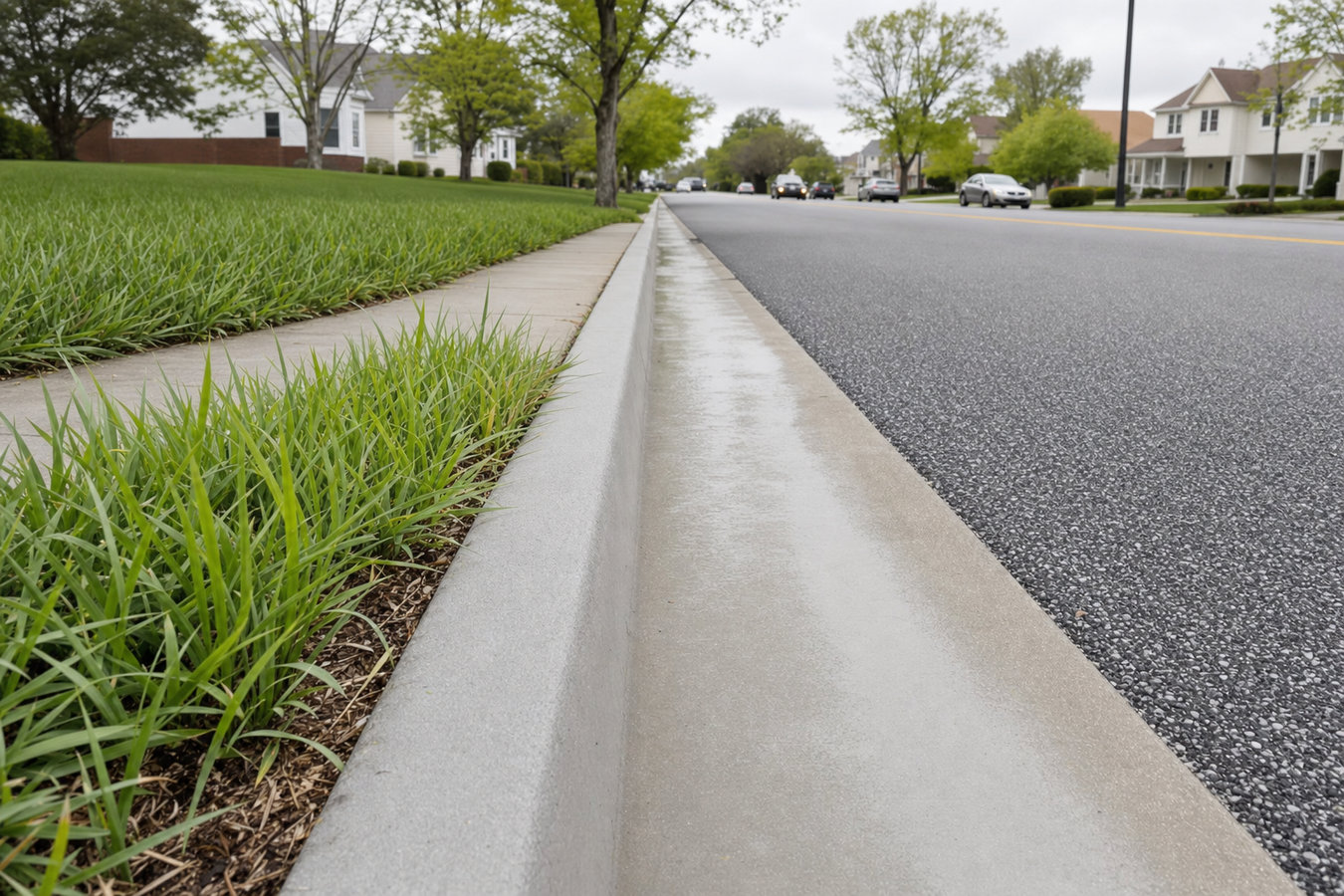
Cracked panels, lifted edges, and missing curbing are not just eyesores - they are tripping hazards and drainage problems. We form, pour, and finish concrete that lasts and looks right.
Concrete curbing and sidewalks in San Bruno means forming, pouring, and finishing concrete along property edges and pedestrian paths - most residential jobs are completed in one to two days of active work, with curing adding another day or two before foot traffic is safe.
Most San Bruno homes were built in the 1950s and 1960s, which means original sidewalk panels and curbing are well past their best years. Clay soils, mature tree roots, and wet winters have been working on that concrete for decades. If you are seeing lifted panels, water pooling near your foundation, or mulch migrating onto your driveway, you are past due for a conversation with a local contractor.
Concrete work pairs closely with proper site grading. If you are also looking at drainage or base preparation, our grading and excavation service handles the ground preparation before any concrete goes down.
If panels have cracked across the surface or one has heaved above the next, that is a tripping hazard and a liability. In San Bruno, tree roots and clay soil movement are the usual culprits. The problem does not fix itself - it tends to get worse each wet season.
When curbing is missing, damaged, or improperly sloped, rainwater collects against your home or in low yard spots. San Bruno's wet winters make this a real concern. Standing water near a foundation is a slow but serious problem that gets more expensive to address the longer it continues.
If mulch, gravel, or soil keeps migrating onto your driveway or walkway, you are missing a proper curbing edge. This is common on older San Bruno properties where original edging has crumbled or was never installed. It looks untidy and gets worse with every rain.
Surface spalling - where the top layer flakes or pits - signals the slab has reached the end of its useful life. Once the surface breaks down, water infiltrates faster and the deterioration accelerates. Replacing it now is far less disruptive than waiting for the base to fail too.
We handle the full scope: demolition of existing concrete, base preparation, forming, the pour, finishing, and control joint placement. We also coordinate any required city permits and inspections for work in the right-of-way - you do not have to manage that process yourself. If site conditions call for it, we pair curbing and sidewalk work with asphalt milling to ensure consistent height at the driveway-to-sidewalk transition.
For properties with tree root concerns, we discuss root barrier options and base preparation approaches before any concrete is poured. We grade each slab to drain water away from your home - a detail that matters more in San Bruno's wet winters than in drier parts of California. Decorative finishes, colored concrete, and stamped patterns are available for homeowners who want something beyond standard gray.
Suits homes with cracked, lifted, or uneven panels that create tripping hazards.
Suits properties that need defined landscape or driveway edges to control drainage and erosion.
Suits homeowners updating their exterior who want a step up from standard gray concrete.
Suits any project touching the strip between your property line and the street, where a city permit is required.
San Bruno sits on the Peninsula where soils shift between firm fill, clay-heavy ground, and areas with older bay-margin deposits. Clay soils expand when wet and contract when dry - that seasonal movement is the main reason sidewalk panels heave and curbing cracks in established neighborhoods. A contractor who accounts for local soil before forming the concrete will produce work that outlasts one who treats every job the same way. We also factor in San Bruno's wet season drainage needs: proper slope built into every pour so water runs away from your home, not toward it.
Mature tree roots are another local reality. Many San Bruno blocks have street trees planted decades ago, and their root systems have been lifting and cracking sidewalk panels ever since. Customers in Millbrae and South San Francisco face the same challenges - Peninsula clay and established street trees are consistent up and down the corridor. When roots are involved, we talk through root barriers and base reinforcement options before any concrete goes down, so the work lasts more than a few years.
Tell us what you need - sidewalk panels, new curbing, or both - and whether it is in the city right-of-way or on private property. We respond within one business day and schedule a site visit to measure and assess soil conditions.
We walk the work area, check soil and root conditions, and confirm drainage slope needs. You get a written quote with a clear scope of work before we proceed. No surprises on the bill.
We handle the city permit application for any work in the right-of-way. This can add a week or two depending on city workload, but it protects you - permitted work is inspected and on record, which matters when you sell the home.
The crew demolishes old concrete, prepares the base, sets forms, and pours. Foot traffic stays off for 24 to 48 hours; vehicles for several days. We walk through the finished job with you before closing out.
We handle the permits, the city inspection, and the soil assessment - so you do not have to manage any of it.
(415) 723-8447Work in San Bruno's city right-of-way requires a permit and a city inspector sign-off. We manage that entire process. Permitted work is on record with the city, which protects you if questions come up at resale.
San Bruno's clay-heavy soils and mature street trees create specific challenges that out-of-area contractors often underestimate. We have been working on these streets long enough to know when a thicker slab, root barrier, or additional base prep is the right call.
Control joints give concrete a planned place to flex when the ground shifts. Contractors who skip them set you up for random cracking across the slab. We cut them on every job, every time. You can verify best practices through organizations like the American Concrete Institute.
Every slab we form is graded to move rainwater away from your foundation and off your property cleanly. On the Peninsula, where the wet season brings sustained heavy rain, drainage built into the concrete is one of the most practical protections your home can have.
California contractor licensing requirements mean you can verify any contractor before hiring - check the California State License Board online lookup to confirm any license is active and in good standing. We carry both general liability insurance and workers' compensation so your property is protected throughout the job.
Mill down worn asphalt to the correct elevation before your new surface or sidewalk transition is finished.
Learn MorePrepare the ground properly so your new concrete has a stable, well-drained base from day one.
Learn MoreWaiting on cracked panels or missing curbing only makes the problem - and the repair cost - bigger. Call or request a free estimate today.